Common Misconceptions About Non-Medical Home Care Debunked
Ch
Understanding Non-Medical Home Care
Non-medical home care is often misunderstood, leading to numerous misconceptions about its purpose and benefits. This type of care focuses on providing assistance with daily activities, allowing individuals to maintain their independence at home. Let's explore some common myths and set the record straight.

Myth 1: It's Only for the Elderly
While non-medical home care is popular among seniors, it is not limited to them. This service can benefit anyone needing support with daily activities, including people with disabilities, those recovering from surgery, or individuals managing chronic illnesses. The key is providing customized care to meet diverse needs.
Myth 2: Non-Medical Care Lacks Professionalism
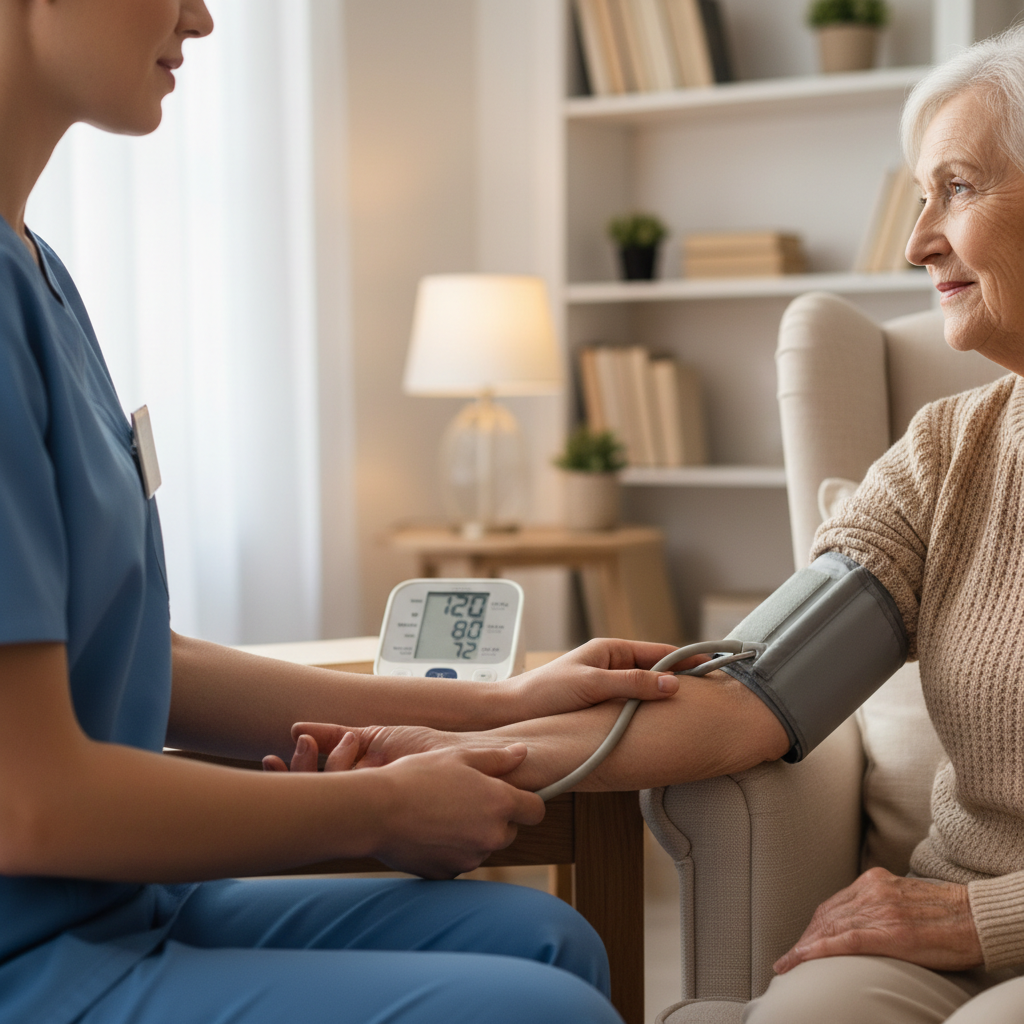
Contrary to belief, non-medical home care providers are highly trained and qualified. They undergo rigorous background checks and receive specialized training to ensure quality care. These caregivers are skilled in offering compassionate support, focusing on enhancing the quality of life for their clients.
Myth 3: It's Too Expensive
Many people assume that home care services are prohibitively expensive. In reality, non-medical home care can be more cost-effective than institutional care. Most providers offer flexible plans that can be tailored to fit different budgets, ensuring that essential care is accessible to those who need it.
Myth 4: It's Only for Full-Time Care
Another misconception is that non-medical home care requires full-time commitment. In truth, these services are highly adaptable, offering anything from a few hours a week to round-the-clock care. This flexibility allows individuals to receive the support they need without disrupting their daily routines.
Myth 5: Family Members Don't Need to Be Involved
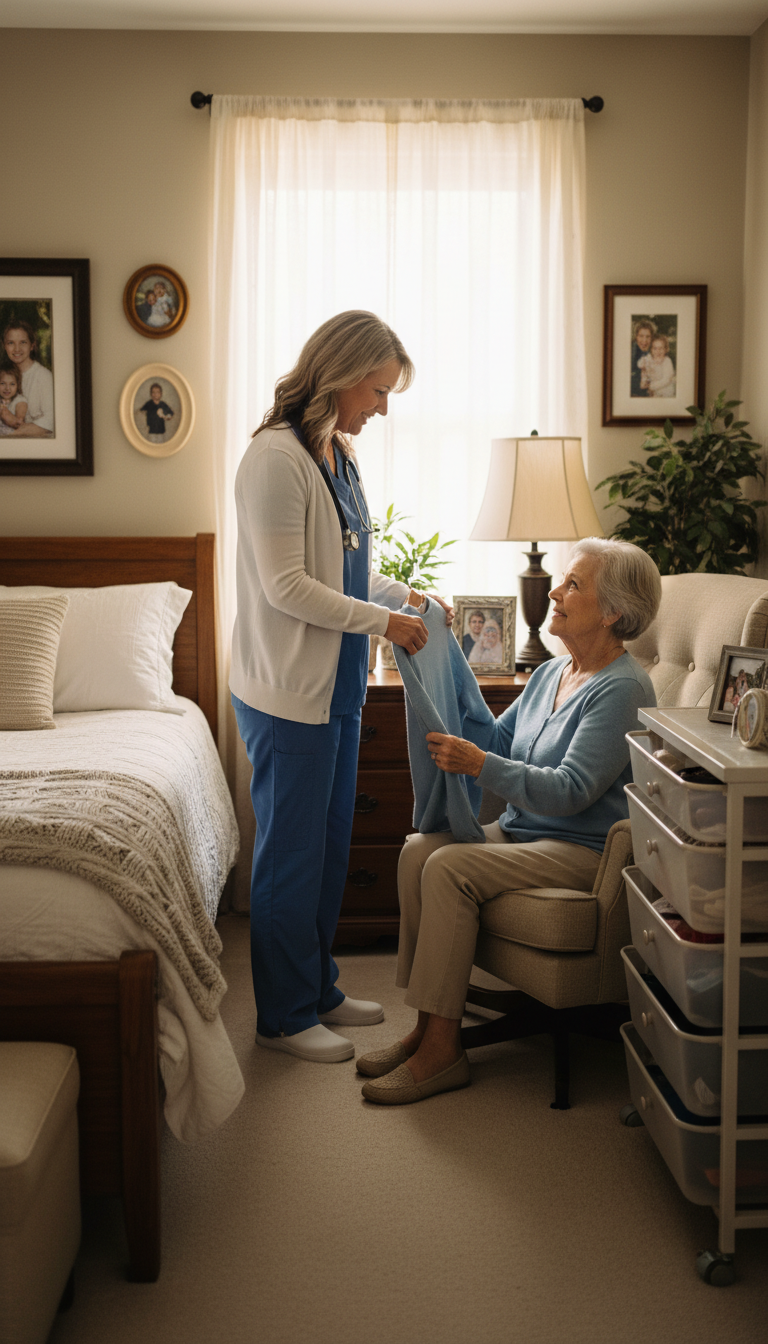
Non-medical home care does not replace the role of family members; rather, it complements it. Caregivers work alongside families, providing respite and support. This partnership ensures that loved ones receive comprehensive care while family members can take breaks to recharge.
Myth 6: It's the Same as Medical Home Care
It's crucial to distinguish between non-medical and medical home care. Non-medical care focuses on daily living assistance, while medical care involves clinical services like wound care or medication administration. Understanding this difference helps in making informed choices about the type of care needed.
By debunking these misconceptions, we can better appreciate the value of non-medical home care. It offers a practical, flexible, and compassionate solution for individuals seeking to maintain their independence and quality of life at home.