Myth-Busting: Common Misconceptions About Non-Medical Home Care
Ch
Understanding Non-Medical Home Care
Non-medical home care is a service designed to assist individuals with daily activities, allowing them to live independently in their own homes. Despite its growing popularity, there are numerous misconceptions surrounding what this type of care entails. Let’s debunk some of these myths to gain a clearer understanding.

Myth 1: Non-Medical Home Care is Only for the Elderly
While it’s true that many elderly individuals benefit from non-medical home care, it's not exclusively for seniors. People of all ages with disabilities or chronic illnesses can find these services invaluable. Non-medical home care offers support for anyone needing assistance with daily tasks, ensuring a better quality of life for individuals with diverse needs.
Myth 2: Non-Medical Home Care is Too Expensive
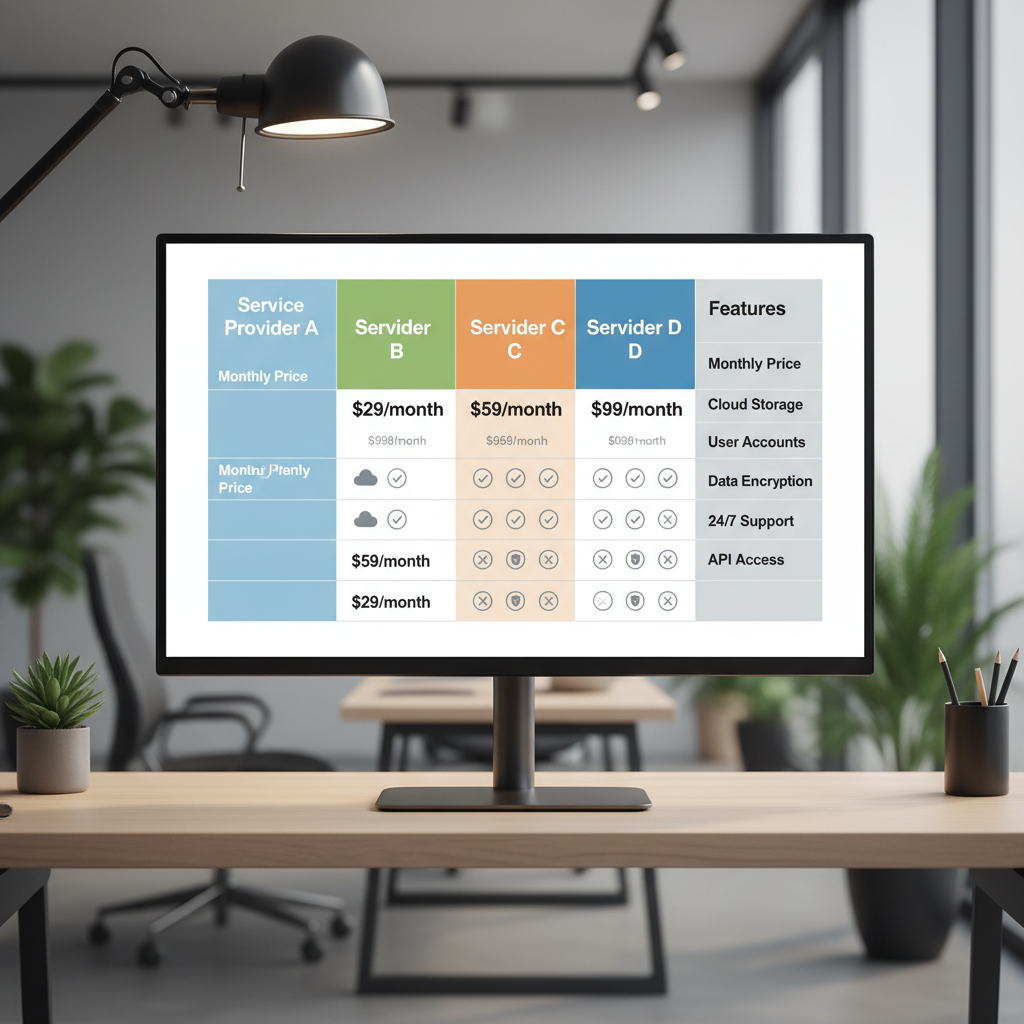
Many assume that non-medical home care is prohibitively expensive. However, it is often more affordable than institutional care in nursing homes or assisted living facilities. Costs can vary based on the level of service required, but most agencies offer customizable plans to fit different budgets, making it a cost-effective solution for many families.
The Scope of Non-Medical Home Care
Another common myth is that non-medical home care is limited in its offerings. In reality, these services encompass a wide range of assistance.
Myth 3: Non-Medical Care is Limited to Basic Tasks
Non-medical home care can cover a variety of needs beyond just basic tasks. Caregivers can assist with meal preparation, light housekeeping, transportation, and even companionship. This broad scope ensures comprehensive support tailored to individual requirements.
Myth 4: Non-Medical Home Care Replaces Family Roles
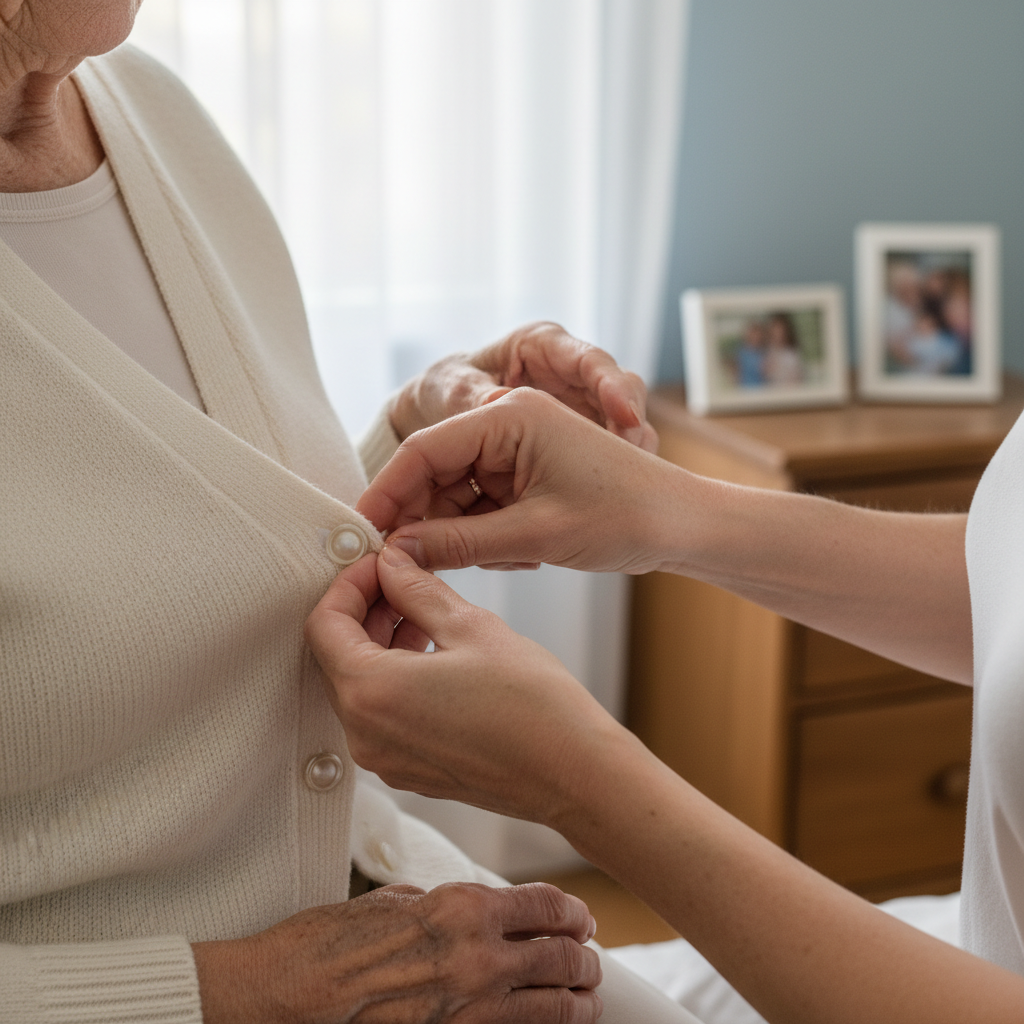
Some worry that hiring a caregiver might replace family involvement. In truth, non-medical home care is designed to complement family roles, not replace them. Caregivers provide professional assistance so family members can spend quality time without the stress of being the primary caregiver, thus enhancing family relationships.
Choosing the Right Care
Understanding the realities of non-medical home care can help families make informed decisions. It’s important to consider the specific needs of your loved one and explore various options that can provide the best support.
By dispelling these myths, we can appreciate the true value of non-medical home care and its role in supporting independent living for individuals with varying needs. Whether it’s aiding recovery, managing a disability, or simply enhancing daily living, non-medical home care offers a flexible and personalized approach to care.