Philadelphia’s Best Practices for Non-Medical Home Care
Ch
Providing non-medical home care is an essential service that allows many individuals in Philadelphia to maintain their independence and quality of life. Whether you're a caregiver or a family member seeking assistance for a loved one, understanding the best practices in this field is crucial for delivering compassionate and effective care.
Understanding Non-Medical Home Care
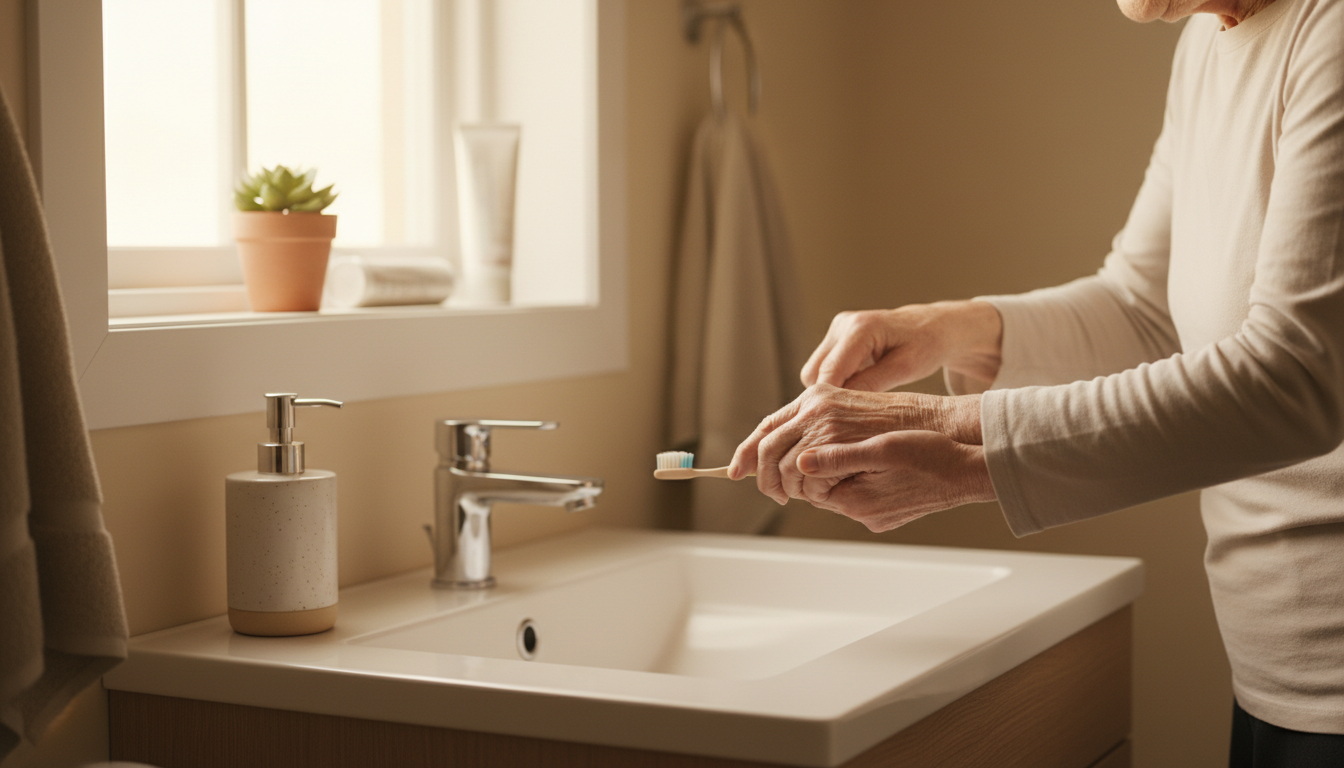
Non-medical home care focuses on assisting individuals with daily activities rather than medical procedures. This includes helping with tasks such as bathing, dressing, meal preparation, and housekeeping. It's designed to support those who may be elderly, disabled, or recovering from illness by ensuring they remain comfortable and safe in their own homes.
Importance of Personalized Care
One of the best practices in non-medical home care is to provide personalized services tailored to the specific needs of each individual. This means conducting thorough assessments to understand the client's preferences, lifestyle, and any particular challenges they may face. Customizing care plans not only enhances service quality but also fosters a sense of trust and respect.
Effective Communication
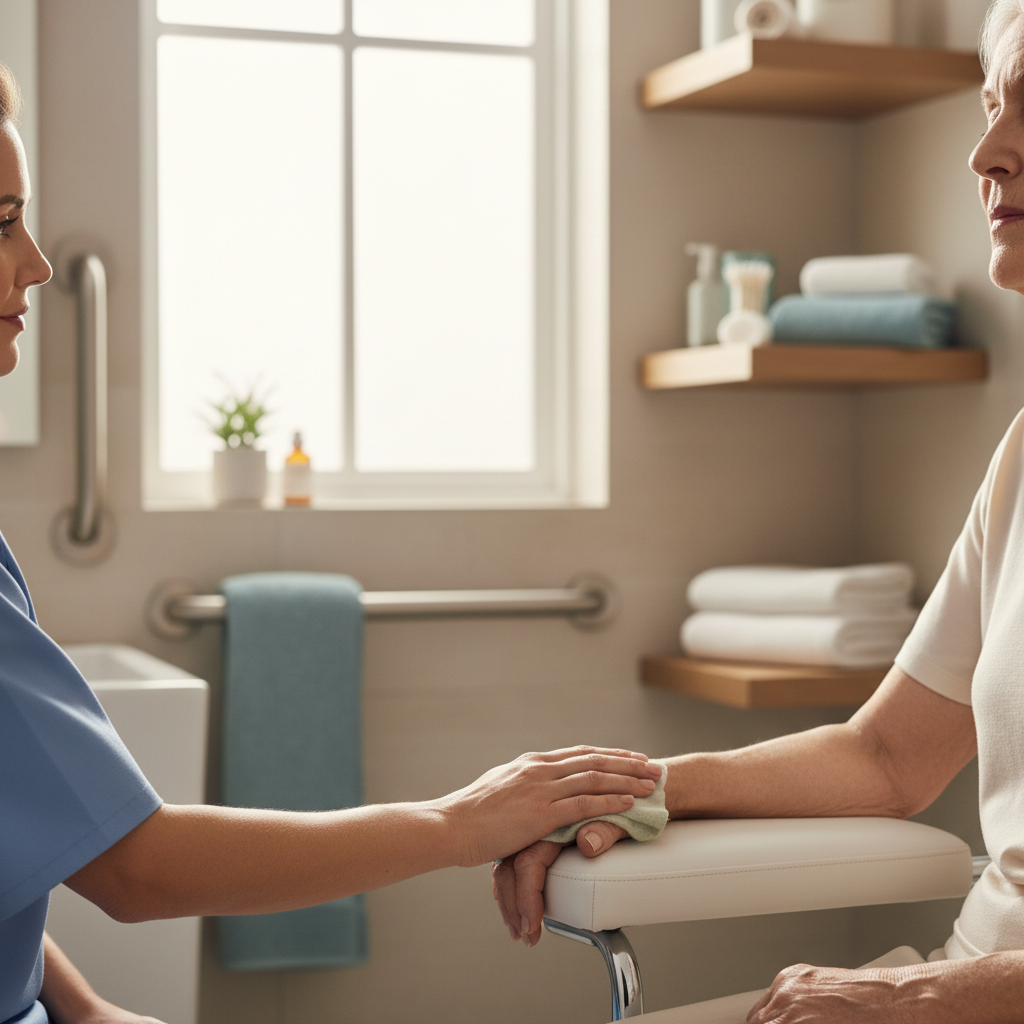
Communication plays a vital role in home care. Caregivers must maintain open lines of communication with clients and their families to ensure that everyone is on the same page. This involves regular updates on the client's condition, discussing any changes in care plans, and being responsive to concerns or feedback.
Training and Certification
Ensuring that caregivers are properly trained and certified is a fundamental best practice. In Philadelphia, reputable home care agencies invest in ongoing education for their staff, covering essential skills such as first aid, emergency response, and dementia care. This commitment to professional development helps maintain high standards of care.

Maintaining Dignity and Independence
A cornerstone of non-medical home care is respecting the dignity and independence of clients. Caregivers should encourage clients to participate in their care as much as possible, empowering them to make decisions and maintain control over their daily lives. This approach not only improves well-being but also enhances the client's confidence and self-esteem.
Safety and Comfort
Ensuring a safe and comfortable environment is crucial. This involves conducting regular home safety checks, assisting with mobility aids, and creating a living space that is both functional and welcoming. Caregivers should be proactive in identifying potential hazards and addressing them promptly.

Building Relationships
Finally, building strong relationships between caregivers and clients is key to successful non-medical home care. Establishing rapport and trust can make a significant difference in the quality of care and the overall experience for the client. This is achieved through empathy, patience, and consistent, compassionate service.
By adhering to these best practices, non-medical home care providers in Philadelphia can offer exceptional support that enhances the lives of those they serve. Whether you're seeking care for yourself or a loved one, understanding these principles can help you make informed decisions and ensure the highest standard of care.