Understanding Non-Medical Home Care: A Beginner's Guide
Ch
What is Non-Medical Home Care?
Non-medical home care refers to the supportive services provided to individuals who need assistance with daily activities but do not require medical intervention. It is designed to help people live independently and comfortably in their own homes. Unlike medical home care, which involves clinical services like wound care or physical therapy, non-medical care focuses on daily living support.
Types of Services Offered
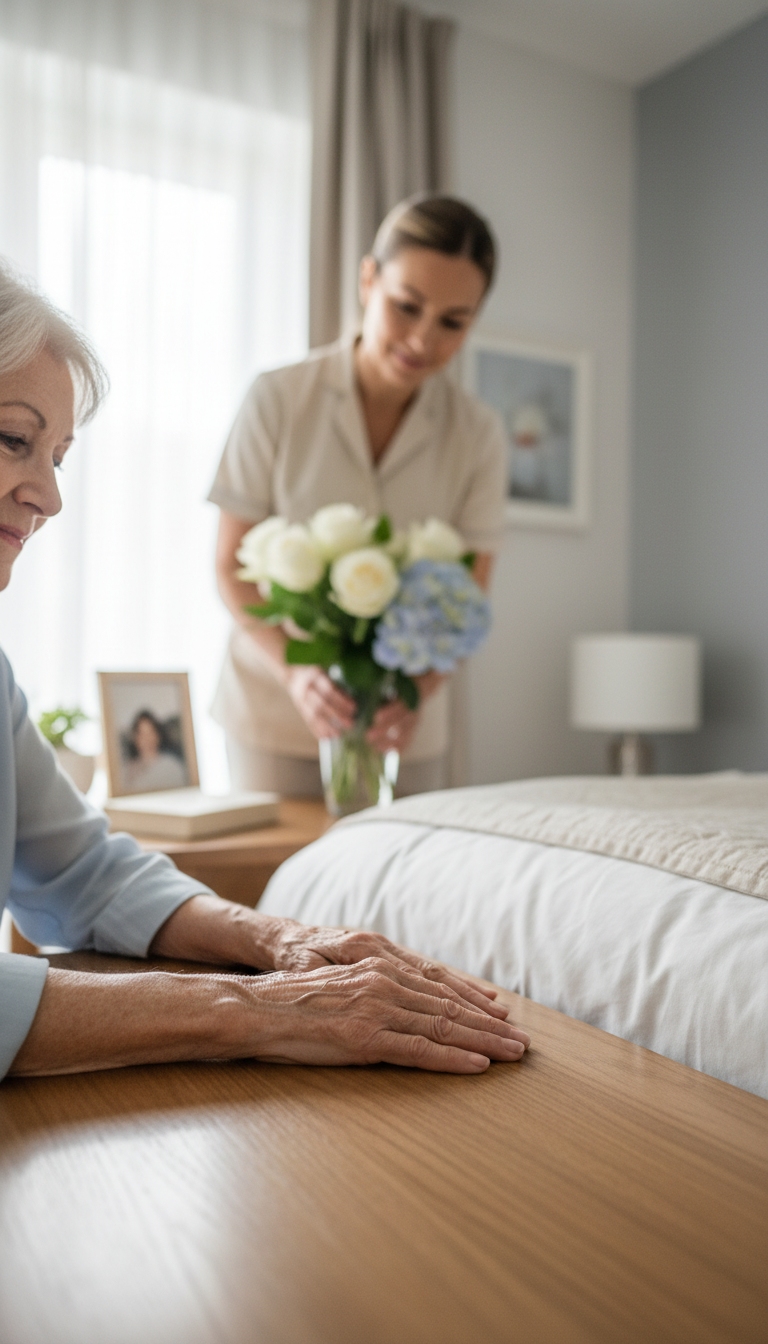
Non-medical home care services are diverse and cater to various needs. These services typically include:
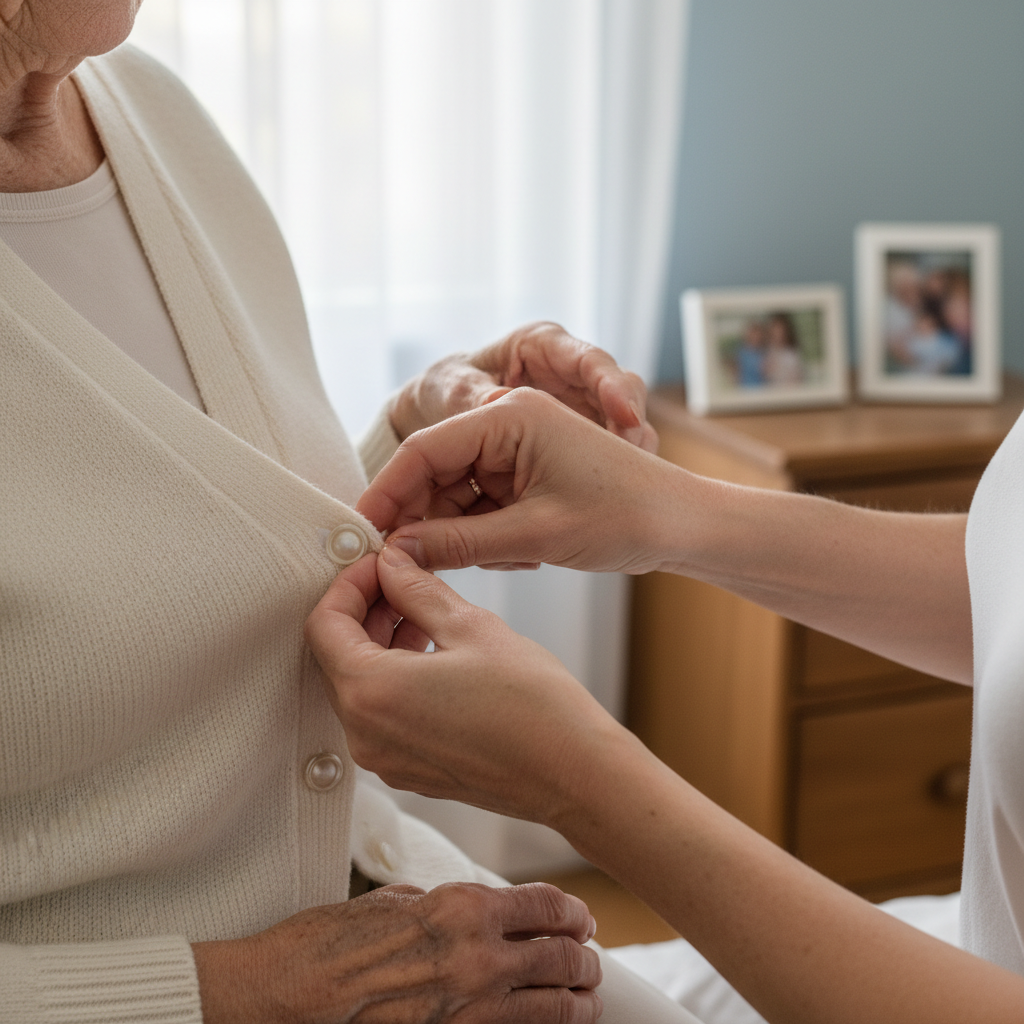
- Personal Care: Assistance with bathing, dressing, grooming, and hygiene.
- Companionship: Social interaction, conversation, and engagement in activities.
- Meal Preparation: Cooking and serving meals according to dietary requirements.
- Housekeeping: Light cleaning, laundry, and organizing tasks.
Who Can Benefit from Non-Medical Home Care?
This type of care is beneficial for a wide range of individuals, including the elderly, those with disabilities, and people recovering from surgery or illness. It provides them with the necessary support to maintain a quality life without the need for institutional care.

The Role of Caregivers
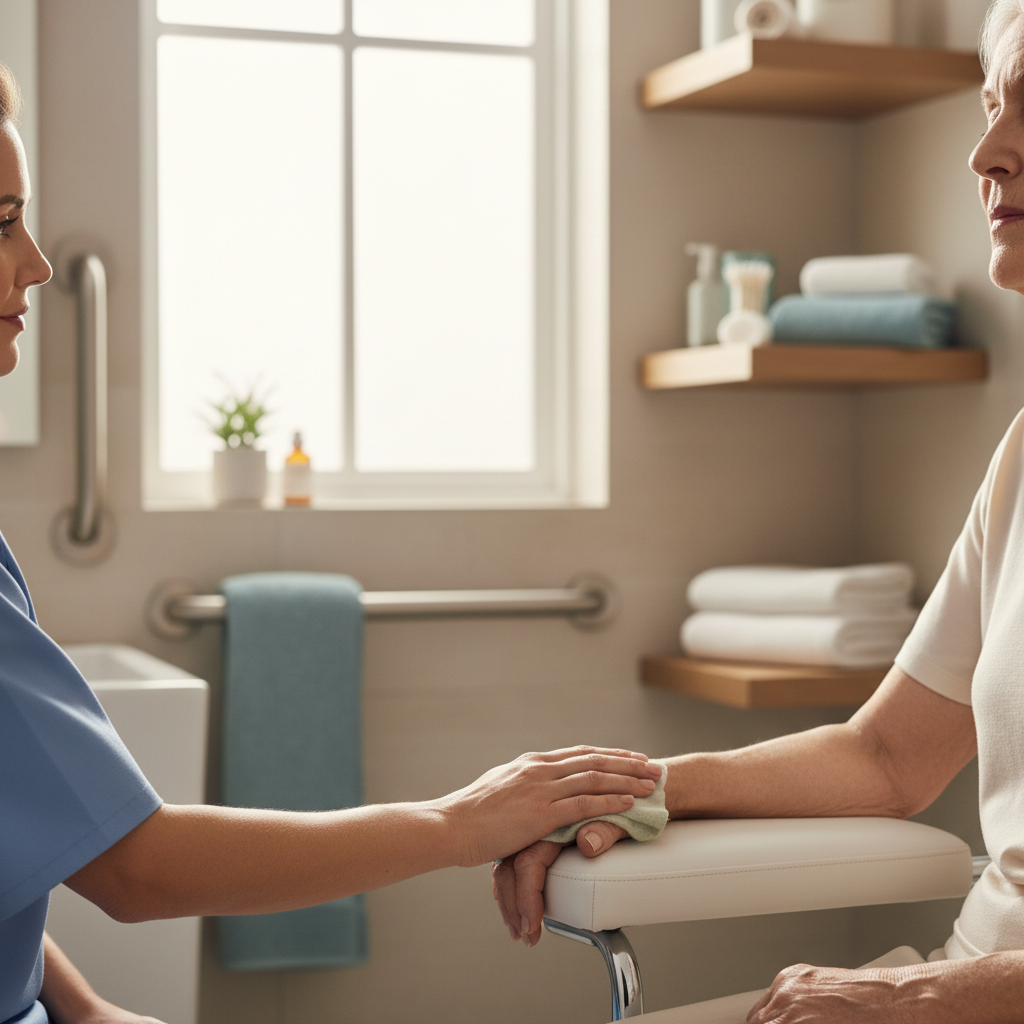
Caregivers play a crucial role in non-medical home care. They are trained to provide compassionate and personalized assistance, ensuring the comfort and safety of the care recipients. Their duties are tailored to each individual's needs, offering flexibility and adaptability.
Choosing the Right Care Provider
Selecting a suitable non-medical home care provider involves considering several factors. Here are some tips:
- Research potential providers and check their credentials and reputation.
- Understand the specific services they offer and ensure they match your needs.
- Consider the experience and qualifications of the caregivers.
- Read reviews and testimonials from other clients.
Costs and Financial Considerations
Non-medical home care can be more cost-effective than residential care facilities. However, it's essential to understand the pricing structures, which can vary based on the level of care required and location. Some insurance policies and government programs may offer financial assistance.
The Importance of Personalization
A significant advantage of non-medical home care is the ability to tailor services to individual preferences and needs. This personalization ensures that care recipients enjoy a higher quality of life, with routines and activities that resonate with their interests and habits.
Conclusion
Understanding non-medical home care is vital for those considering this supportive service for themselves or a loved one. By focusing on daily living assistance, non-medical home care allows individuals to maintain independence and dignity in their own homes. For many, it represents an ideal balance between comfort and necessary care, enhancing their overall well-being.